Understanding Steel Pipe Elbow Joints: Essential Components for Construction and Decoration
2026-03-22
Steel pipe elbow joints are vital fittings used in piping systems to change the direction of flow. These joints allow for smooth transitions in pipes, facilitating the efficient movement of fluids and gases. The angle typically varies between 45 degrees and 90 degrees, depending on the specific requirements of the system. Understanding these joints is essential for anyone involved in the construct
Steel pipe elbow joints are vital fittings used in piping systems to change the direction of flow. These joints allow for smooth transitions in pipes, facilitating the efficient movement of fluids and gases. The angle typically varies between 45 degrees and 90 degrees, depending on the specific requirements of the system. Understanding these joints is essential for anyone involved in the construction and decoration sector, as they contribute significantly to the overall effectiveness and aesthetics of piping installations.
One of the primary benefits of steel pipe elbow joints is their durability. Steel is known for its strength and resistance to corrosion, making it an ideal material for various applications. In environments where pressure and temperature fluctuations occur, steel elbow joints maintain their structural integrity, ensuring a reliable performance over time. This durability is particularly important in construction projects, where safety and longevity are paramount.
There are two common types of steel pipe elbow joints: welded and threaded. Welded elbows are joined through a welding process, creating a seamless bond that enhances strength and minimizes leakage risks. On the other hand, threaded elbows utilize screw connections, allowing for easier assembly and disassembly. This versatility makes steel pipe elbow joints suitable for various applications, ranging from water supply systems to industrial piping.
In addition to their functional advantages, steel pipe elbow joints can also contribute to the aesthetic quality of a construction project. When properly selected and installed, they can complement the overall design and layout of the piping system. This aspect is especially important in decorative applications, where the visual appeal of exposed pipes can enhance the architectural style.
When choosing steel pipe elbow joints for a specific project, it is essential to consider factors such as pipe diameter, angle, and material compatibility. Proper selection ensures that the joints perform optimally within the system, preventing issues such as leaks or pressure drop. Collaborating with knowledgeable suppliers and manufacturers can provide valuable insights into choosing the right elbow joints for your specific needs.
In conclusion, steel pipe elbow joints are indispensable components in the construction and decoration fields. Their ability to facilitate directional changes in piping systems, combined with their strength and aesthetic appeal, makes them a preferred choice for many applications. Understanding the different types and their applications can empower professionals to make informed decisions, ultimately leading to safer and more efficient construction projects. As you explore the world of building materials, don't overlook the significance of steel pipe elbow joints in achieving both functionality and visual appeal.
One of the primary benefits of steel pipe elbow joints is their durability. Steel is known for its strength and resistance to corrosion, making it an ideal material for various applications. In environments where pressure and temperature fluctuations occur, steel elbow joints maintain their structural integrity, ensuring a reliable performance over time. This durability is particularly important in construction projects, where safety and longevity are paramount.
There are two common types of steel pipe elbow joints: welded and threaded. Welded elbows are joined through a welding process, creating a seamless bond that enhances strength and minimizes leakage risks. On the other hand, threaded elbows utilize screw connections, allowing for easier assembly and disassembly. This versatility makes steel pipe elbow joints suitable for various applications, ranging from water supply systems to industrial piping.
In addition to their functional advantages, steel pipe elbow joints can also contribute to the aesthetic quality of a construction project. When properly selected and installed, they can complement the overall design and layout of the piping system. This aspect is especially important in decorative applications, where the visual appeal of exposed pipes can enhance the architectural style.
When choosing steel pipe elbow joints for a specific project, it is essential to consider factors such as pipe diameter, angle, and material compatibility. Proper selection ensures that the joints perform optimally within the system, preventing issues such as leaks or pressure drop. Collaborating with knowledgeable suppliers and manufacturers can provide valuable insights into choosing the right elbow joints for your specific needs.
In conclusion, steel pipe elbow joints are indispensable components in the construction and decoration fields. Their ability to facilitate directional changes in piping systems, combined with their strength and aesthetic appeal, makes them a preferred choice for many applications. Understanding the different types and their applications can empower professionals to make informed decisions, ultimately leading to safer and more efficient construction projects. As you explore the world of building materials, don't overlook the significance of steel pipe elbow joints in achieving both functionality and visual appeal.
Key words:
RELATED INFORMATION
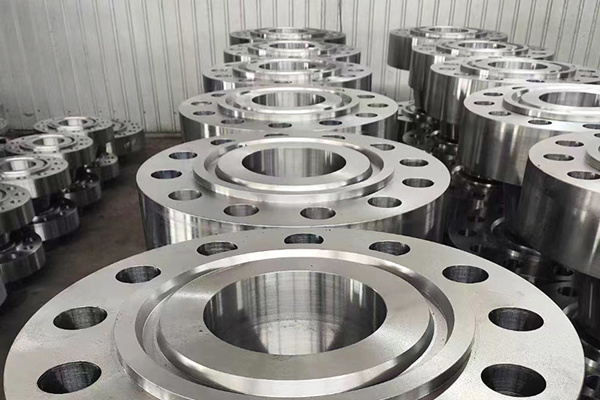
API 6A TYPE 6BX flanges and blinds in ANSI/API Spec 6A specification
API 6A TYPE 6BX Flanges and blinds are a wellhead connection assembly defined in ANSI/API Spec 6A for connecting piping systems and valve equipment between oil and gas wellheads.
2024-05-22
The Essential Guide to Carbon Steel Plate Flanges in Construction and Decoration
Carbon steel plate flanges are critical components in the construction and decoration materials sector, particularly in piping systems.
2024-05-22