The Essential Role of Pipe Elbow Joints in Construction and Design
2026-03-26
In the field of construction and decorative materials, pipe elbow joints are critical components that facilitate the efficient flow of fluids through piping systems. These fittings allow for changes in direction, enabling the smooth transition of pipes at various angles. Typically manufactured from materials such as PVC, metal, or plastic, pipe elbow joints come in various sizes and angles, common
In the field of construction and decorative materials, pipe elbow joints are critical components that facilitate the efficient flow of fluids through piping systems. These fittings allow for changes in direction, enabling the smooth transition of pipes at various angles. Typically manufactured from materials such as PVC, metal, or plastic, pipe elbow joints come in various sizes and angles, commonly 45 degrees or 90 degrees, depending on the application requirements.
One of the primary functions of a pipe elbow joint is to redirect the flow of liquids or gases in a piping system. This directional change is essential in managing the layout of piping networks, helping to avoid obstacles, and optimizing space within building designs. For instance, in plumbing systems, elbow joints are crucial for routing pipes around corners and through walls, ensuring that water supply and drainage systems operate efficiently.
Another important consideration in utilizing pipe elbow joints is their impact on fluid dynamics within the system. Every elbow joint introduces a certain degree of turbulence and resistance to flow, which can influence the overall efficiency of a piping network. It is essential for professionals to consider these factors when designing systems to minimize pressure drops and energy losses.
Moreover, the choice of material for pipe elbow joints can significantly affect their performance and durability. For example, metal elbows are typically more robust and can withstand higher pressures and temperatures compared to their plastic counterparts. However, plastic elbow joints may be more suitable for certain applications due to their resistance to corrosion and lower weight, making installation easier.
When selecting pipe elbow joints for a project, professionals should also consider factors such as the intended use, installation environment, and compatibility with other piping materials. Additionally, ensuring that the joints comply with relevant industry standards and regulations is crucial for a reliable and safe piping system.
In summary, pipe elbow joints are vital components in construction and decorative materials, facilitating the efficient and effective flow of fluids. By understanding their functions, benefits, and the various considerations for selection, professionals can optimize their piping designs and contribute to the overall success of their projects. This knowledge not only enhances the functionality of piping systems but also plays a significant role in ensuring long-term reliability and performance.
One of the primary functions of a pipe elbow joint is to redirect the flow of liquids or gases in a piping system. This directional change is essential in managing the layout of piping networks, helping to avoid obstacles, and optimizing space within building designs. For instance, in plumbing systems, elbow joints are crucial for routing pipes around corners and through walls, ensuring that water supply and drainage systems operate efficiently.
Another important consideration in utilizing pipe elbow joints is their impact on fluid dynamics within the system. Every elbow joint introduces a certain degree of turbulence and resistance to flow, which can influence the overall efficiency of a piping network. It is essential for professionals to consider these factors when designing systems to minimize pressure drops and energy losses.
Moreover, the choice of material for pipe elbow joints can significantly affect their performance and durability. For example, metal elbows are typically more robust and can withstand higher pressures and temperatures compared to their plastic counterparts. However, plastic elbow joints may be more suitable for certain applications due to their resistance to corrosion and lower weight, making installation easier.
When selecting pipe elbow joints for a project, professionals should also consider factors such as the intended use, installation environment, and compatibility with other piping materials. Additionally, ensuring that the joints comply with relevant industry standards and regulations is crucial for a reliable and safe piping system.
In summary, pipe elbow joints are vital components in construction and decorative materials, facilitating the efficient and effective flow of fluids. By understanding their functions, benefits, and the various considerations for selection, professionals can optimize their piping designs and contribute to the overall success of their projects. This knowledge not only enhances the functionality of piping systems but also plays a significant role in ensuring long-term reliability and performance.
Key words:
RELATED INFORMATION
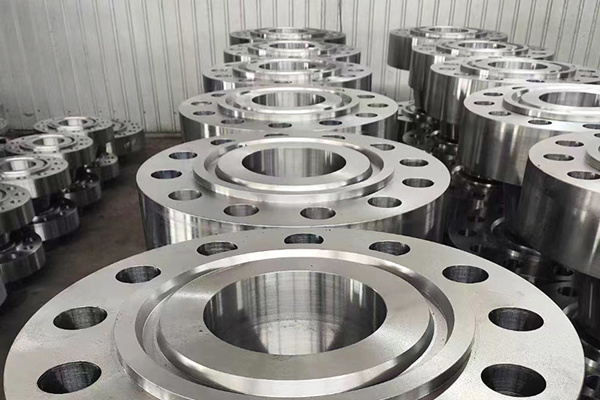
API 6A TYPE 6BX flanges and blinds in ANSI/API Spec 6A specification
API 6A TYPE 6BX Flanges and blinds are a wellhead connection assembly defined in ANSI/API Spec 6A for connecting piping systems and valve equipment between oil and gas wellheads.
2024-05-22
The Essential Guide to Carbon Steel Plate Flanges in Construction and Decoration
Carbon steel plate flanges are critical components in the construction and decoration materials sector, particularly in piping systems.
2024-05-22