Cangzhou Jieyue Pipe Fittings Manufacturing Co., Ltd.



Weld Neck Pipe Flanges: An Essential Component in Piping Systems
2026-03-27
Weld Neck Pipe Flanges: An Essential Component in Piping Systems
Table of Contents
- 1. Introduction to Weld Neck Pipe Flanges
- 2. What Are Weld Neck Flanges?
- 3. Design and Structure of Weld Neck Flanges
- 4. Advantages of Weld Neck Flanges in Industrial Applications
- 5. Applications of Weld Neck Flanges
- 6. Installation Tips for Weld Neck Flanges
- 7. Maintenance and Inspection of Weld Neck Flanges
- 8. Frequently Asked Questions
- 9. Conclusion
1. Introduction to Weld Neck Pipe Flanges
Weld neck pipe flanges are specialized components that play a pivotal role in piping systems across various industries. They are designed to provide strength and leak-proof connections in high-pressure environments. Understanding weld neck flanges is crucial for engineers, fabricators, and maintenance personnel involved in the design and upkeep of piping systems. This article delves into the intricacies of weld neck flanges, their advantages, applications, and best practices for installation and maintenance.
2. What Are Weld Neck Flanges?
Weld neck flanges are a type of flange used to connect pipes, valves, pumps, and other equipment in a piping system. They feature a long tapered hub that gradually transitions to the pipe, providing a smooth flow path and minimizing turbulence. This design helps reduce the risk of stress concentrations, making weld neck flanges ideal for high-pressure applications.
### Characteristics of Weld Neck Flanges
Weld neck flanges are characterized by their:
- **Tapered Hub Design**: The long neck allows for a stronger weld connection and reduces the likelihood of leaks.
- **Variety of Sizes and Materials**: Available in different dimensions and materials, including stainless steel, carbon steel, and alloy metals, to suit diverse applications.
- **Standardized Pressure Ratings**: These flanges come with standardized pressure ratings, ensuring compatibility with various piping systems.
3. Design and Structure of Weld Neck Flanges
The design of weld neck flanges is a crucial factor in their performance. The structural integrity and functionality of these flanges are determined by their construction materials, dimensions, and pressure ratings.
### Material Selection
Common materials used for weld neck flanges include:
- **Carbon Steel**: Ideal for general-purpose applications where corrosion resistance is not a primary concern.
- **Stainless Steel**: Preferred for corrosive environments due to its excellent resistance to oxidation and corrosion.
- **Alloy Steels**: Used in high-temperature and high-pressure applications, providing enhanced strength and durability.
### Dimensions and Pressure Ratings
Weld neck flanges come in various sizes, typically governed by industry standards such as ASME B16.5 and B16.47. These standards dictate the dimensions, tolerances, and pressure ratings necessary for safe and effective use in piping systems.
4. Advantages of Weld Neck Flanges in Industrial Applications
Weld neck flanges offer several advantages that make them a preferred choice in many industrial applications.
### Enhanced Strength and Durability
The tapered design of weld neck flanges provides a robust connection that can withstand high pressure and temperature variations. This strength ensures longevity and reliability in demanding environments.
### Reduced Risk of Leaks
Weld neck flanges are welded directly to the pipe, creating a continuous, seamless connection that minimizes the risk of leaks. This feature is crucial in applications where fluid containment is vital.
### Versatility in Applications
These flanges are adaptable to a range of industrial applications, including oil and gas, chemical processing, and water treatment facilities. Their compatibility with various materials and diameters makes them versatile for engineers.
5. Applications of Weld Neck Flanges
Weld neck flanges are widely used across different industries. Here are some notable applications:
### Oil and Gas Industry
In the oil and gas sector, weld neck flanges are used for pipelines transporting crude oil, natural gas, and refined products. Their strength and leak-proof design are critical in maintaining safety and efficiency.
### Chemical Processing
Chemical plants utilize weld neck flanges to connect various equipment and piping systems. Their ability to withstand corrosive substances makes them essential for maintaining operational integrity.
### Power Generation
In power plants, weld neck flanges connect steam and water pipes in boilers and turbines. The high-pressure environment necessitates reliable and strong connections, making weld neck flanges an ideal choice.
### Water Treatment Facilities
Weld neck flanges are used in water treatment plants for their durability and resistance to corrosion, ensuring the safe transport of water through various treatment processes.
6. Installation Tips for Weld Neck Flanges
Proper installation of weld neck flanges is essential to ensure their effectiveness and longevity. Here are some key tips for installation:
### Preparing the Surface
Before welding, ensure that the surfaces of the flange and the pipe are clean and free from contaminants. This preparation helps achieve a solid weld and enhances the integrity of the connection.
### Correct Alignment
Align the flange properly with the pipe to avoid misalignment issues during welding. Use alignment tools to confirm the accuracy of the connection before proceeding.
### Choosing the Right Welding Technique
Select an appropriate welding technique based on the materials and thickness of the flange and pipe. Common methods include TIG (Tungsten Inert Gas) and MIG (Metal Inert Gas) welding.
### Quality Inspection
After installation, conduct a thorough inspection of the welds to ensure no defects or weaknesses are present. Utilize non-destructive testing methods, such as ultrasonic testing, to verify the integrity of the weld.
7. Maintenance and Inspection of Weld Neck Flanges
Regular maintenance and inspection of weld neck flanges are vital to ensuring their reliability over time. Here are some best practices:
### Routine Inspections
Schedule routine inspections to identify any signs of wear, corrosion, or leaks. Regular checks help detect issues early, preventing costly repairs and downtime.
### Cleaning and Maintenance
Keep weld neck flanges clean from debris, rust, and corrosion. Utilize appropriate cleaning agents that do not damage the flange material. Regular maintenance extends the lifespan of the flanges.
### Monitor Pressure and Temperature
Regularly monitor the pressure and temperature within the piping system to ensure they remain within specified limits. Abnormal readings may indicate a problem with the flange or the overall system.
8. Frequently Asked Questions
**Q1: What is the primary advantage of using weld neck flanges?**
A: The primary advantage of weld neck flanges is their ability to provide a strong, leak-proof connection in high-pressure applications, enhancing the overall reliability of the piping system.
**Q2: How do I choose the right material for a weld neck flange?**
A: The choice of material depends on the application and environmental factors. For corrosive environments, stainless steel is recommended, while carbon steel is suitable for general applications.
**Q3: Can weld neck flanges be used in low-pressure systems?**
A: While weld neck flanges can be used in low-pressure systems, it is more common to use other types of flanges, such as slip-on or blind flanges, depending on the specific requirements.
**Q4: Are there industry standards for weld neck flanges?**
A: Yes, industry standards such as ASME B16.5 and B16.47 provide guidelines for the dimensions, pressure ratings, and materials of weld neck flanges.
**Q5: How often should weld neck flanges be inspected?**
A: Routine inspections should be conducted regularly, typically every six months to a year, depending on the application and environmental conditions.
9. Conclusion
Weld neck pipe flanges are indispensable components in various piping systems, offering enhanced strength, durability, and leak-proof connections essential for high-pressure environments. Understanding their design, advantages, applications, and proper installation and maintenance practices is crucial for those involved in engineering and maintaining piping systems. By recognizing the vital role of weld neck flanges, industries can ensure the efficiency and safety of their operations, ultimately leading to better performance and reduced downtime.
Key words:
RELATED INFORMATION
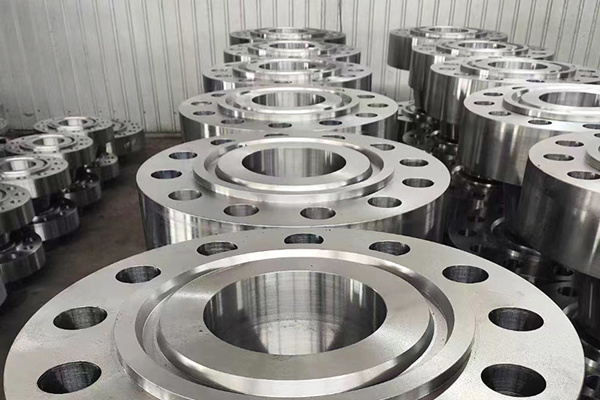
API 6A TYPE 6BX flanges and blinds in ANSI/API Spec 6A specification
2024-05-22

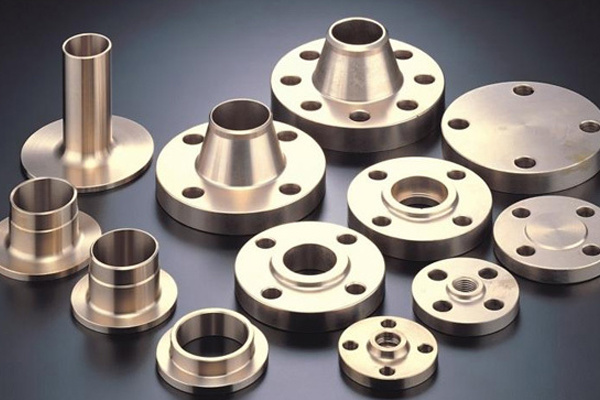
The Essential Guide to Carbon Steel Plate Flanges in Construction and Decoration
2024-05-22


Service E-mail
After-sales complaint E-mail:
WhatsApp / Tel / Wechat:
Address
Mengcun, Cangzhou City, Hebei Province
To inquire about our products, please leave your email to us and we will contact you within 24 hours.
Our Main Products


Cangzhou Jieyue Pipe Fittings Manufacturing Co., Ltd. | Poweredby:300.cn | Privacy Policy
City list