Essential Insights into Steel Pipe Elbows: A Key Component in Building and Construction
2026-03-28
Steel pipe elbows are critical fittings used in piping systems, particularly in the construction and building materials industry. They allow for the smooth change of direction within a piping system, ensuring that fluid or gas can flow through pipes efficiently and without obstruction. Understanding the significance of steel pipe elbows is essential for professionals involved in construction, plum
Steel pipe elbows are critical fittings used in piping systems, particularly in the construction and building materials industry. They allow for the smooth change of direction within a piping system, ensuring that fluid or gas can flow through pipes efficiently and without obstruction. Understanding the significance of steel pipe elbows is essential for professionals involved in construction, plumbing, and HVAC systems.
There are primarily two types of steel pipe elbows based on angle: 45 degrees and 90 degrees. These angles help direct the flow in the desired direction, minimizing turbulence and energy loss in the system. The selection of the right elbow angle is crucial as it affects the overall performance and longevity of the piping system. For instance, a 90-degree elbow is commonly used when a sharp turn is necessary, while a 45-degree elbow is preferred for a more gradual change in direction.
In terms of material, steel pipe elbows are available in various grades and finishes, making them suitable for different environments. For example, carbon steel elbows are commonly used in general plumbing applications due to their durability and strength. On the other hand, stainless steel elbows are ideal for corrosive environments, offering enhanced resistance to rust and corrosion.
Installation of steel pipe elbows requires careful consideration. Proper alignment and secure fittings are essential to prevent leaks and ensure the integrity of the piping system. Additionally, when selecting steel pipe elbows, it’s important to consider factors such as pressure rating, temperature tolerance, and compatibility with other materials in the system. These considerations ensure that the elbows will function effectively and maintain their structural integrity over time.
Steel pipe elbows are not only functional but also play a role in the aesthetic aspect of construction. Properly installed and designed piping systems can contribute to the overall visual appeal of a building, especially in exposed plumbing applications. This dual functionality highlights the importance of selecting high-quality steel pipe elbows that meet both performance and design standards.
In conclusion, steel pipe elbows are indispensable components in modern construction and plumbing systems. They facilitate efficient fluid and gas movement while providing the necessary flexibility to navigate complex building layouts. By understanding the types, materials, and installation considerations of steel pipe elbows, professionals can ensure their projects are executed successfully, enhancing both performance and aesthetic appeal.
There are primarily two types of steel pipe elbows based on angle: 45 degrees and 90 degrees. These angles help direct the flow in the desired direction, minimizing turbulence and energy loss in the system. The selection of the right elbow angle is crucial as it affects the overall performance and longevity of the piping system. For instance, a 90-degree elbow is commonly used when a sharp turn is necessary, while a 45-degree elbow is preferred for a more gradual change in direction.
In terms of material, steel pipe elbows are available in various grades and finishes, making them suitable for different environments. For example, carbon steel elbows are commonly used in general plumbing applications due to their durability and strength. On the other hand, stainless steel elbows are ideal for corrosive environments, offering enhanced resistance to rust and corrosion.
Installation of steel pipe elbows requires careful consideration. Proper alignment and secure fittings are essential to prevent leaks and ensure the integrity of the piping system. Additionally, when selecting steel pipe elbows, it’s important to consider factors such as pressure rating, temperature tolerance, and compatibility with other materials in the system. These considerations ensure that the elbows will function effectively and maintain their structural integrity over time.
Steel pipe elbows are not only functional but also play a role in the aesthetic aspect of construction. Properly installed and designed piping systems can contribute to the overall visual appeal of a building, especially in exposed plumbing applications. This dual functionality highlights the importance of selecting high-quality steel pipe elbows that meet both performance and design standards.
In conclusion, steel pipe elbows are indispensable components in modern construction and plumbing systems. They facilitate efficient fluid and gas movement while providing the necessary flexibility to navigate complex building layouts. By understanding the types, materials, and installation considerations of steel pipe elbows, professionals can ensure their projects are executed successfully, enhancing both performance and aesthetic appeal.
Key words:
RELATED INFORMATION
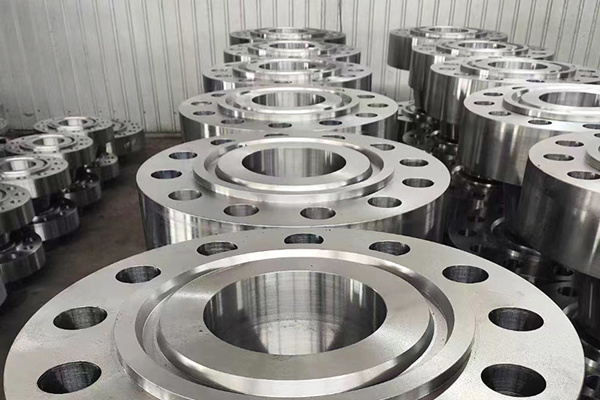
API 6A TYPE 6BX flanges and blinds in ANSI/API Spec 6A specification
API 6A TYPE 6BX Flanges and blinds are a wellhead connection assembly defined in ANSI/API Spec 6A for connecting piping systems and valve equipment between oil and gas wellheads.
2024-05-22
The Essential Guide to Carbon Steel Plate Flanges in Construction and Decoration
Carbon steel plate flanges are critical components in the construction and decoration materials sector, particularly in piping systems.
2024-05-22