Cangzhou Jieyue Pipe Fittings Manufacturing Co., Ltd.



Common Mistakes to Avoid When Using Elbow Pipe Fittings: A Comprehensive Guide
2026-03-29
Common Mistakes to Avoid When Using Elbow Pipe Fittings
Table of Contents
- Introduction to Elbow Pipe Fittings
- Understanding Elbow Pipe Fittings
- Choosing the Right Elbow Fitting for Your Project
- Common Installation Mistakes with Elbow Fittings
- Neglecting Sealants and Joint Compounds
- Poor Maintenance Practices
- Calculating Pipe Layouts Incorrectly
- Overlooking Material Compatibility
- Conclusion
- Frequently Asked Questions (FAQs)
Introduction to Elbow Pipe Fittings
Elbow pipe fittings are crucial components in plumbing and piping systems. These fittings allow for directional changes in pipelines, facilitating the efficient transport of liquids and gases. However, many users encounter challenges and make errors when using elbow fittings, which can lead to costly repairs and system inefficiencies. In this guide, we will explore common mistakes to avoid and ensure that your projects run smoothly.
Understanding Elbow Pipe Fittings
Elbow fittings come in various angles, with the most common being 90-degree and 45-degree angles. Understanding the purpose of each type is essential for effective application. The 90-degree elbow is typically used for sharp turns, while the 45-degree elbow allows for a gentler bend, reducing pressure loss.
Types of Elbow Pipe Fittings
There are several types of elbow fittings manufactured from different materials, including:
- PVC
- Copper
- Stainless steel
- Cast iron
Choosing the correct material for your elbow fittings is crucial as it affects the durability and performance of your plumbing system.
Choosing the Right Elbow Fitting for Your Project
Selecting the appropriate elbow fitting is fundamental to the success of your plumbing system. Here are several factors to consider:
1. Pipe Size
Ensure that the elbow fitting matches the diameter of the pipes you are using. Mismatched sizes can result in leaks and pressure issues.
2. Pressure Ratings
Evaluate the pressure rating of the elbow fitting. Different materials and designs can handle varying pressure levels, which is vital for maintaining system integrity.
3. Application Requirements
Consider the specific requirements of your application. For instance, if you are working with corrosive materials, select high-resistant materials like stainless steel or specialized plastics.
Common Installation Mistakes with Elbow Fittings
Installation errors are one of the leading causes of system failures. Below are common mistakes to avoid during installation:
1. Incorrect Fitting Orientation
Ensure that the elbow fitting is installed in the correct orientation. Incorrect positioning can lead to inefficient flow and increased pressure drop.
2. Over-tightening Connections
While it is essential to secure the fittings, over-tightening can damage threads and lead to leaks. Use a torque wrench to apply the recommended torque for your specific fittings.
3. Inadequate Support
Fittings need proper support to avoid stress on joints. Use hangers or brackets to support pipes and fittings to prevent sagging or misalignment.
Neglecting Sealants and Joint Compounds
Using sealants and joint compounds can significantly enhance the reliability of your plumbing system. Here are common pitfalls:
1. Skipping Sealants
Many people disregard sealants, thinking they are unnecessary. However, sealants provide a crucial barrier against leaks, especially in threaded connections.
2. Using the Wrong Sealant Type
Not all sealants are suitable for every application. Make sure to choose a sealant compatible with the materials involved to avoid chemical reactions.
Poor Maintenance Practices
Neglecting maintenance can lead to long-term issues with your elbow fittings. Consider the following:
1. Ignoring Regular Inspections
Regularly inspect your plumbing system for signs of deterioration, leaks, or corrosion. Early detection can save you from severe damage and costly repairs.
2. Failing to Clean Fittings
Debris and buildup can obstruct flow, leading to inefficiencies. Clean elbow fittings regularly to maintain optimal performance.
Calculating Pipe Layouts Incorrectly
Flawed calculations can result in poor system functionality. Here’s what to keep in mind:
1. Not Accounting for Elbow Angles
When designing your layout, factor in the angle of elbow fittings to achieve precise lengths and ensure correct flow rates.
2. Underestimating Pressure Loss
Elbows contribute to pressure loss in the system. Use proper calculations to account for this loss to maintain efficiency.
Overlooking Material Compatibility
Using incompatible materials can lead to significant problems. Here are the considerations:
1. Chemical Compatibility
Ensure that the materials used for elbow fittings can withstand the chemicals they will encounter in the system.
2. Temperature Resistance
Different materials have varying thermal resistance. Be sure your fittings can handle the temperature fluctuations of the fluids they carry.
Conclusion
Avoiding common mistakes when using elbow pipe fittings can save time, money, and effort in plumbing projects. By understanding the types of fittings, choosing the right materials, ensuring correct installation, and maintaining the system properly, you can enhance efficiency and longevity. Let this guide serve as a resource for ensuring your plumbing systems operate smoothly and effectively.
Frequently Asked Questions (FAQs)
1. What are elbow pipe fittings used for?
Elbow pipe fittings are used to make directional changes in piping systems, allowing for efficient transport of fluids and gases.
2. How do I choose the right elbow fitting?
Consider pipe size, pressure ratings, and the specific application requirements when selecting elbow fittings.
3. What materials are elbow fittings made from?
Common materials include PVC, copper, stainless steel, and cast iron.
4. How can I prevent leaks in elbow fittings?
Use appropriate sealants and joint compounds, ensure proper installation, and regularly maintain the fittings.
5. What is the impact of incorrect elbow fitting installation?
Incorrect installation can lead to leaks, pressure drops, and inefficient system performance.
By adhering to the tips and practices outlined in this comprehensive guide, we can significantly reduce the likelihood of errors when using elbow pipe fittings and ensure our plumbing systems operate efficiently.
Key words:
RELATED INFORMATION
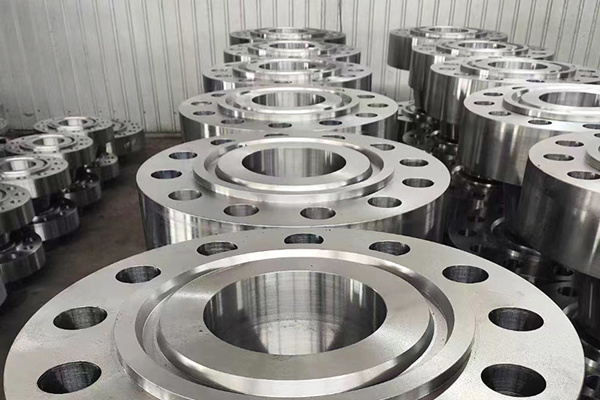
API 6A TYPE 6BX flanges and blinds in ANSI/API Spec 6A specification
2024-05-22

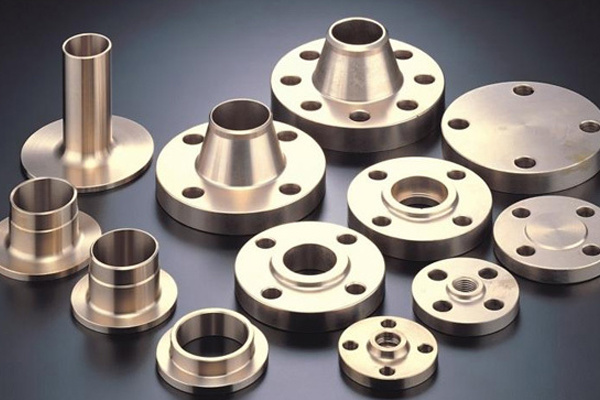
The Essential Guide to Carbon Steel Plate Flanges in Construction and Decoration
2024-05-22


Service E-mail
After-sales complaint E-mail:
WhatsApp / Tel / Wechat:
Address
Mengcun, Cangzhou City, Hebei Province
To inquire about our products, please leave your email to us and we will contact you within 24 hours.
Our Main Products


Cangzhou Jieyue Pipe Fittings Manufacturing Co., Ltd. | Poweredby:300.cn | Privacy Policy
City list